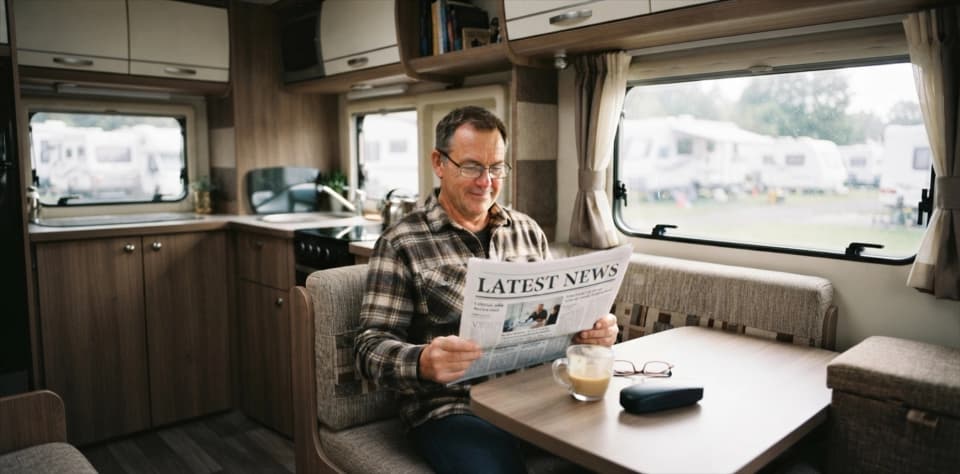
Whyknott News
Defining Luxury Motorhome Hire in South Wales
FAQs
Common questions
Availability
See what's available
Book Now
Choose your dates
Customer Login
View your booking
All the latest news from Whyknott...
Welcome to the official Whyknott Hire news page, your premier source for the latest updates, industry breakthroughs, and exclusive motorhome rental offers in Wales. Whether you are planning your next getaway or searching for expert advice on our luxury fleet, including our newest arrivals like the Auto-Trail Expedition Flex 67, our dedicated hub brings you breaking news and curated travel inspiration directly to your screen. Explore our latest posts for tips on maintaining your own adventures or to stay informed about our 24/7 service updates, all designed to ensure you get the most out of your motorhome experience.

Pay monthly...
Planning your next road trip is now easier and more budget-friendly than ever with Whyknott Hire. We are excited to launch our new pay-monthly motorhome hire scheme, allowing you to spread the cost of your booking into manageable monthly payments with absolutely no additional charges, interest, or hidden fees. Secure your dream motorhome holiday today and pay a little each month, giving you complete financial flexibility and peace of mind while you plan your next great adventure.
Full details are available from our booking system here (our booking system).
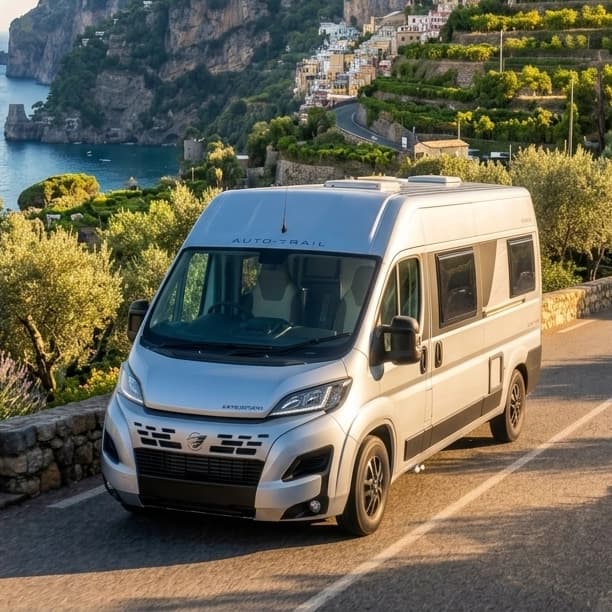
Hello Campers...
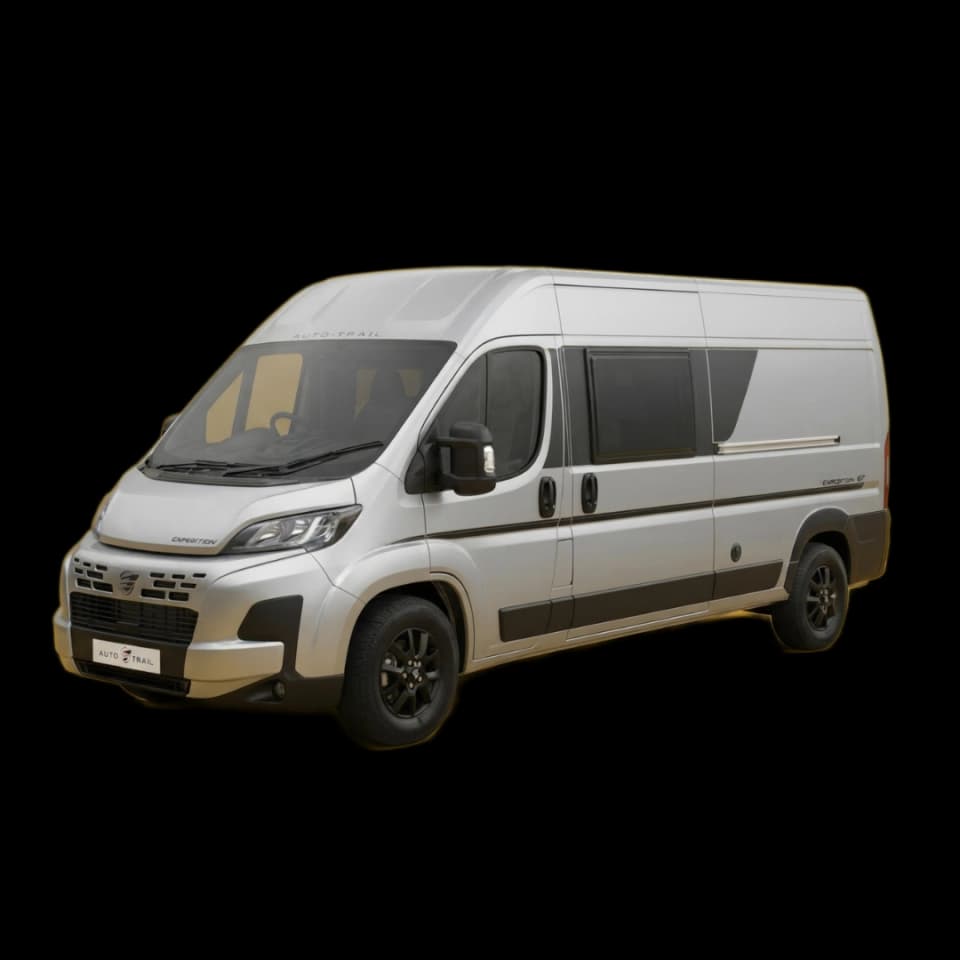
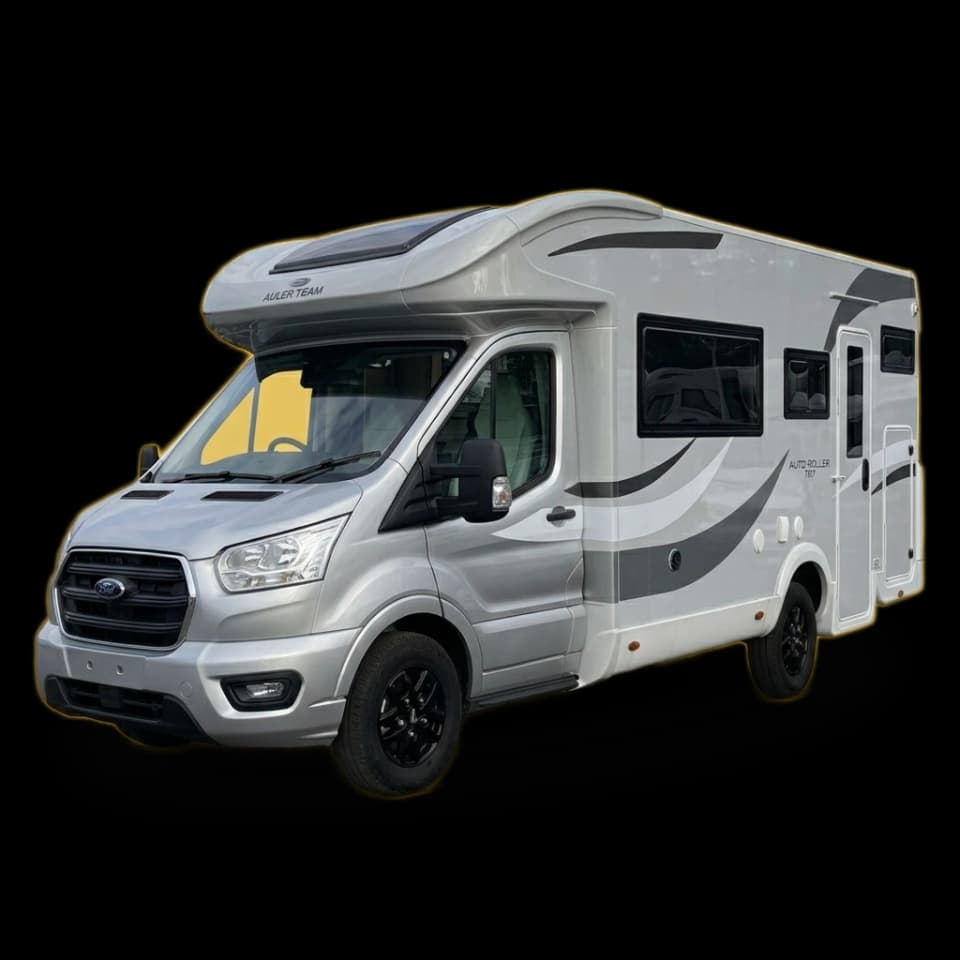
Experience the ultimate in freedom and refined travel with Jessie, the newest addition to the Whyknott Hire fleet. This Auto-Trail Expedition Flex 67 offers a perfect blend of luxury and versatility, specifically engineered for those who seek both comfort and the effortless ease of a compact, highly maneuverable camper van. Its nimble design allows you to navigate narrow country lanes to bustling town centres with absolute confidence, opening up hidden locations that larger vehicles simply cannot reach.
You can learn more about our Jessie here (Jessie 4 berth campervan hire bridgend south wales)
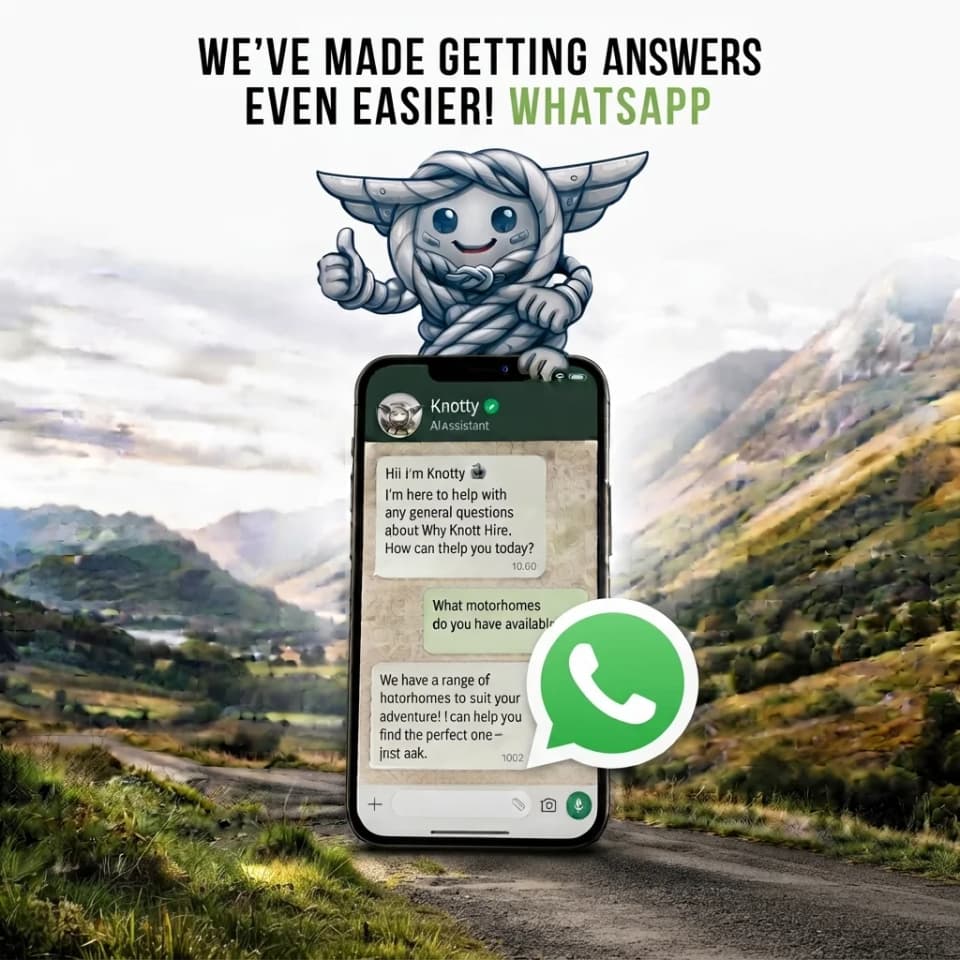
Knotty's on WhatsApp...
Get instant support with your motorhome hire anytime, anywhere, with Knotty, our new 24/7 AI assistant on WhatsApp. Whether you have questions about motorhome availability, specific features and facilities, or need booking guidance outside of office hours, Knotty is ready to help you plan your next UK road trip instantly.
Simply send a WhatsApp message to 07777 152289 for friendly, fast, and expert advice on all your motorhome hire queries.
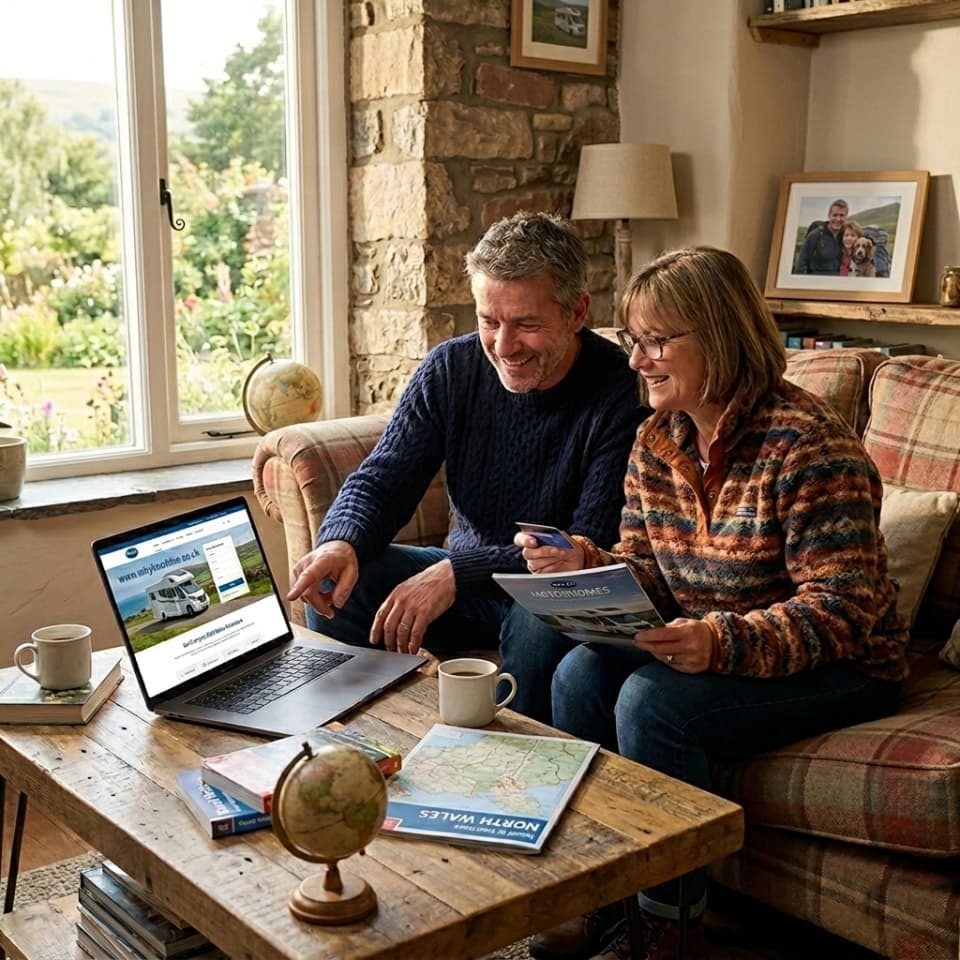
New & improved booking system...
We are thrilled to introduce our newly enhanced motorhome hire booking system, completely redesigned for a seamless user experience. Planning your next road trip is now easier than ever! With our brand-new secure customer login portal, you can effortlessly access and manage all your vital travel documents, itinerary details, and booking information in one convenient place.
Ready to explore? You will now find convenient links across every page of our website—simply click “Book Now” if you’re a new guest, or “Customer Login” to manage an existing adventure!
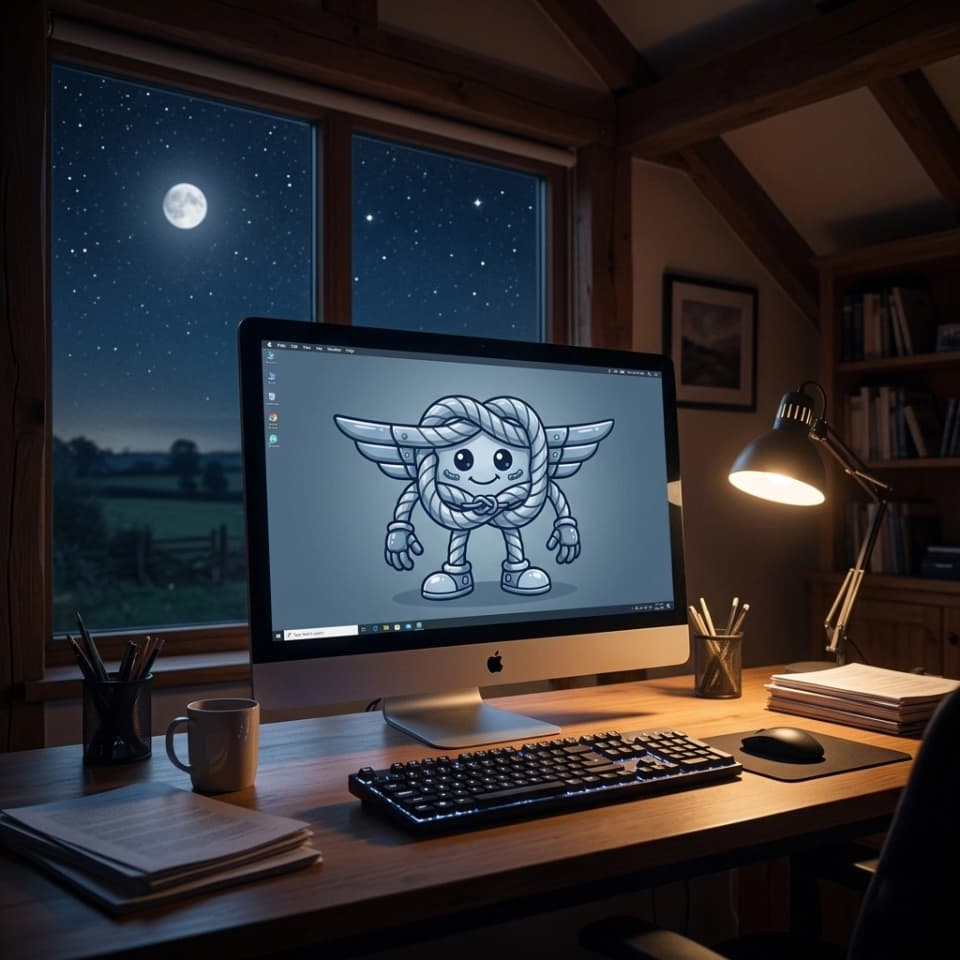
Knotty our 24 hour virtual customer advisor
At the heart of our commitment to exceptional customer care is Knotty, our 24/7 virtual customer service advisor. We understand that hiring a motorhome involves plenty of planning, and you deserve a support system that works according to your schedule, not just standard business hours. Sitting at home late at night finalizing your travel itinerary? Knotty is awake with you! Our virtual advisor is fully equipped to answer an extensive range of frequently asked questions, offer comprehensive vehicle advice, and give you the confidence you need to plan a flawless road trip. Want more information, just ask Knotty, he’s wobbling away right now!

Hiring a Motorhome for the first time?
Hiring a motorhome for the first time? Relax, countless number of our customers have been in your shoes and we are proud to say that our customer service team are on hand to help and advise you. From your initial enquiry, to help decide which vehicle is right for you, what’s included and booking details, if it’s not clear on the website, our team or on hand to chat and advise. When you eventually get on the road, we are here again with our Technical Support team to ensure you have the best rental experience and an unforgettably great journey.
You can learn more about first time rental our first-time motorhome driving tips
Save on campsite fees with Campsite+...
Why Knott Hire has joined forces with the Caravan and Motorhome Club, the No.1 rated UK touring club with over one million members. If you hire a vehicle from Why Knott Hire, you’ll be given access to Campsite+ which gives you access to Club campsites at member rates, meaning you’ll save £15 per night every time you stay at UK Club campsites. With Campsite+ you’ll also be able to access a wider network of over 2,700 campsites across the UK and Europe and get discounts on ferry and tunnel crossings. Be sure to ask our customer service team for more details.
You can learn more Campsite+ the Caravan & Motorhome Club
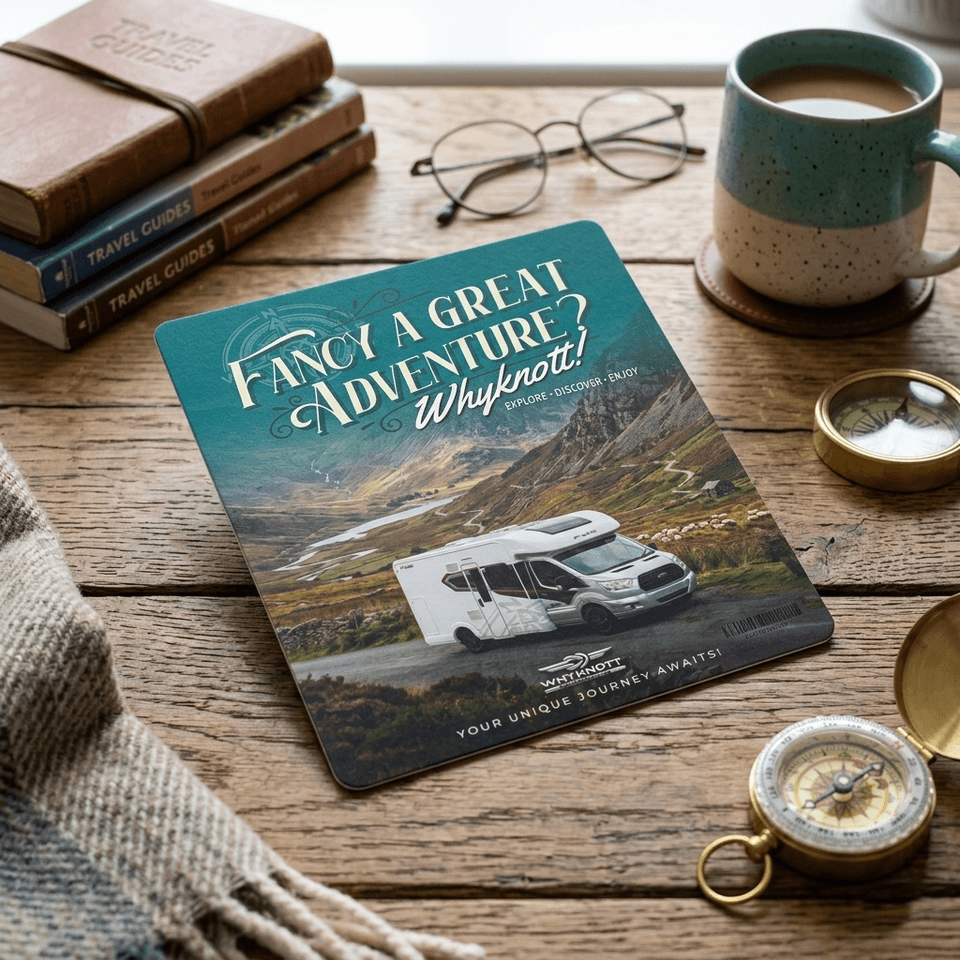
Treat your loved ones to an extra special gift!
Whyknott treat your loved ones to an extraordinary gift by giving one of our vouchers towards the cost of a motorhome hire. Gift Vouchers are valid for 12 months from date of purchase. We have a variety of cost options to suit your budget and can be issued as a printed card posted to their address or as an e-voucher emailed to them. For more information on our Gift voucher service, visit our page here or contact our customer service team for more information.
You can learn more our motorhome hire gift vouchers
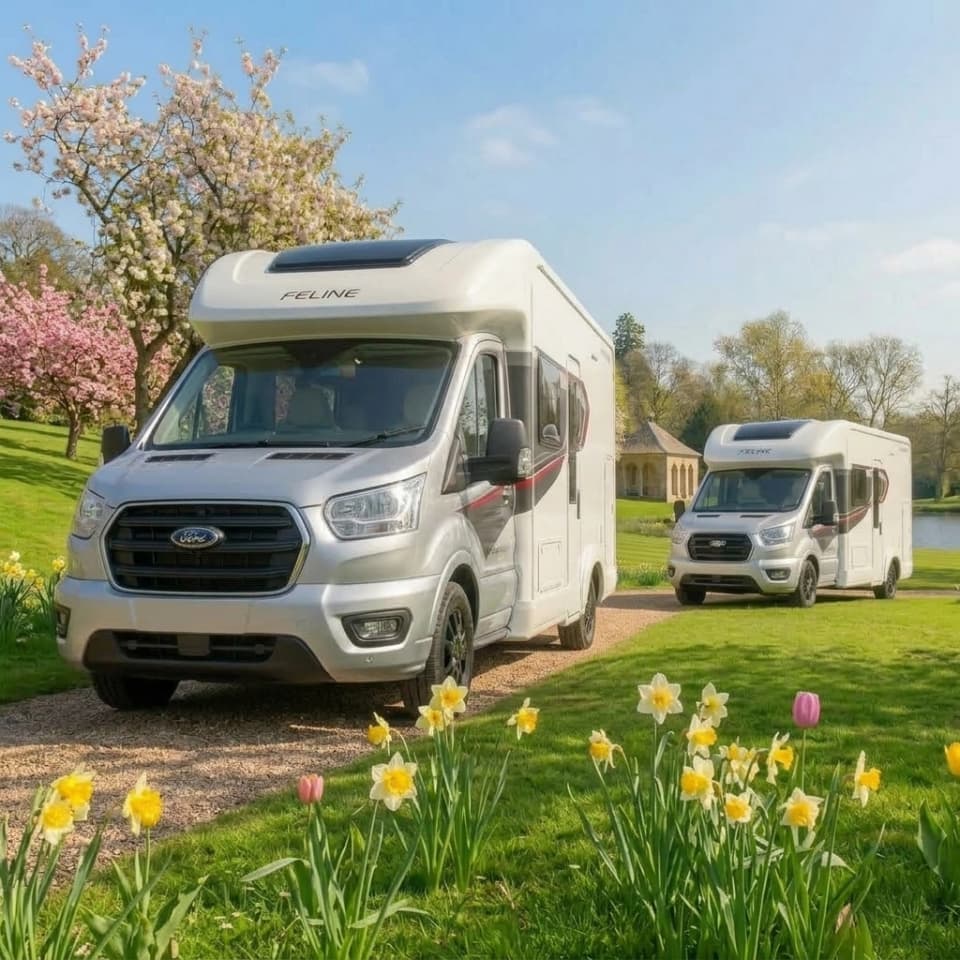
New motorhomes join our fleet...
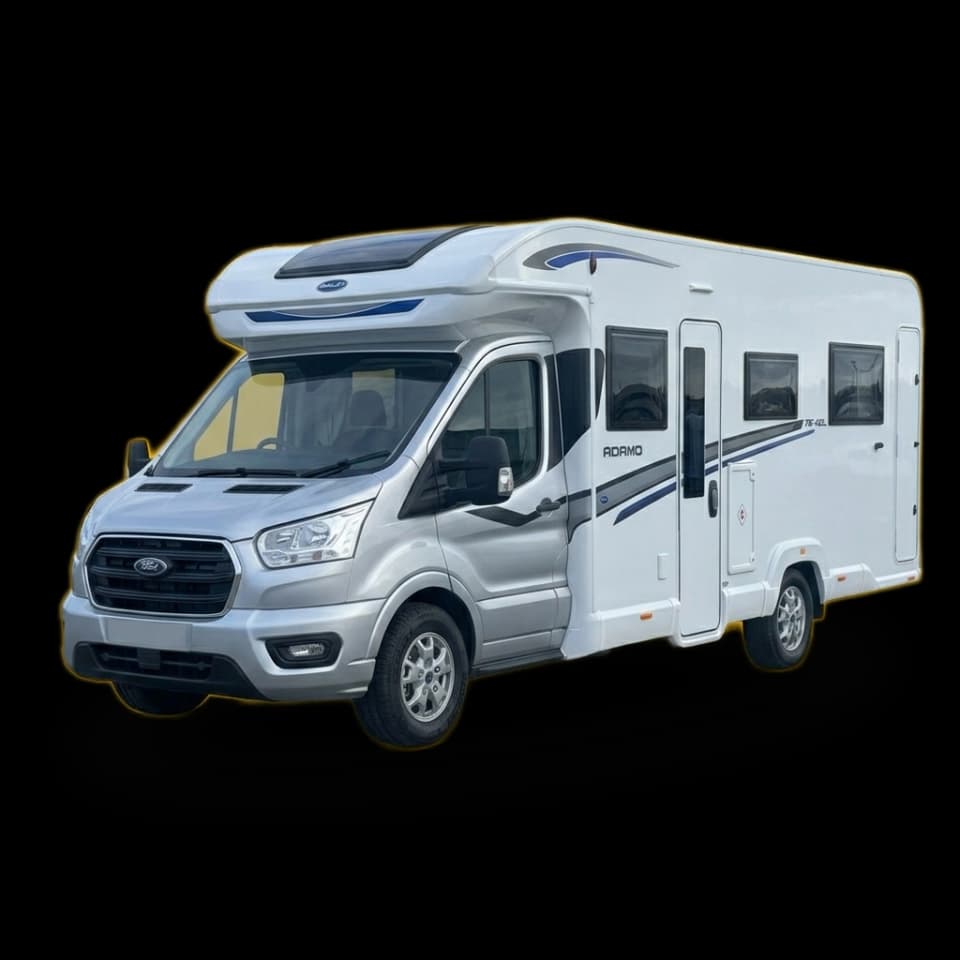
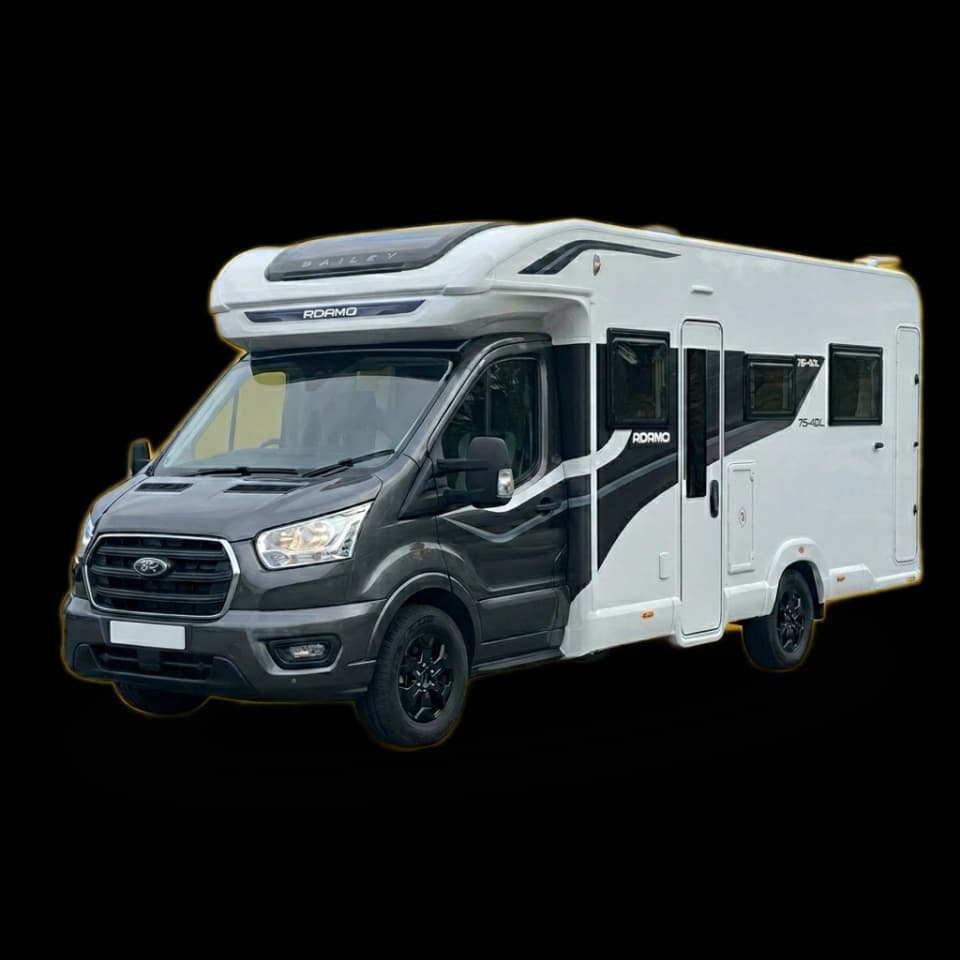
With our continued expansion, we have added two additional motorhomes to our collection to offer greater scope for our discerning customers. Both from leading luxury Motorhome manufacturer, Auto-Trail, Alys and Anna offer the same standard of opulent luxury within a more convenient and manageable size perfect for couples and small families whilst the shorter wheelbase is great for easier driving. Both feature the convenience of an electric drop down bed offering ample daytime living space with the comfort of a ready made bed at night.

Internet wherever you go...
Access to internet is now a part of our everyday lives and we are thrilled to announce that from mid April, all our vans will now feature the option of STARLINK. This is satellite internet service providing you with the ability to use your electronic devices wherever you go. For an additional fee of £10 per day, Starlink will offer high-speed internet almost anywhere across the world. Roam allows for travel anywhere including 150+ countries around the world. Starlink connects within minutes and packs up quickly when it’s time to move to your next destination.
You can learn more about Starlink here

Protect your hire costs..
Coming soon: protect your motorhome hire costs with the added benefit of X-Cover Booking Refund Protection. For a small nominal charge, X-Cover offers your the security of not losing your deposit or hire costs in the event of unexpected circumstances such as an injury, or an illness affecting you or a member of your immediate family. Public authorities issue a travel warning for the day of the event, or the day prior. These warnings include but are not limited to adverse weather and terrorism. As with any Insurance protection, you are best advised to read the details to satisfy your needs.
You can learn more our motorhome hire FAQs
Exclusive savings on your motorhome holidays
To enhance your travel experience, we are proud members of The Camping and Caravanning Club Motorhome Hire Scheme. This partnership provides you with an exclusive discount of up to 30% off Club Site fees. Inside your chosen motorhome, you will find a guide listing all participating sites, helping you plan the perfect route for your journey. Simply present the key fob upon arrival at any participating Club Site to claim your discount and enjoy fantastic savings on your trip.
You can learn more the Camping & Caravanning Club
Discover the joy of hwyl in Wales
Touring Wales in one of our luxury motorhomes is the perfect adventure where you will discover its breathtaking, diverse landscapes (mountains, coastlines, waterfalls), rich Celtic history evident in over 600 castles and museums, abundant outdoor adventures (hiking, surfing, dark sky parks), unique culture (music, myth), charming towns, and delicious local food, all packed into a small, accessible country with warm hospitality.
You can learn more Visit Wales hire listings
Authentic Motorhome Adventures Across the UK
Brit Stops: Authentic Motorhome Adventures Across the UK and Ireland. Stay free of charge at 1,400+ locations from pubs to vineyards across the UK & Ireland. Stay at Pubs & Farm Shops. No Camping Fees. Across the UK and Ireland. Unlimited Stopovers. Unique Stopovers.
You can learn more Brit Stops
Make your great escape Book campsites, glamping sites and holiday parks in 67 countries...
Book campsites, caravan sites and glamping from the specialists at Pitchup.com, with over 14000 listings and 730000 independent reviews your next holiday …
You can learn more Pitchup.com
Bluelight dicount card accepted here...
You can learn more the Blue Light Card
From breakdown to breakaway, motorhome rescue from the RAC...
Arrival, the RAC’s caravan, campervan and motorhome breakdown cover, has been developed exclusively with The Camping and Caravanning Club. It includes everything that you’d expect from the RAC, together with specialist benefits for caravans, motorhomes and campervans. And now you can choose cover specifically designed for whatever you’re driving or towing.
You can learn more RAC motorhome breakdown cover

Motorhome Passenger Capacity & Flexible Hire Rates...
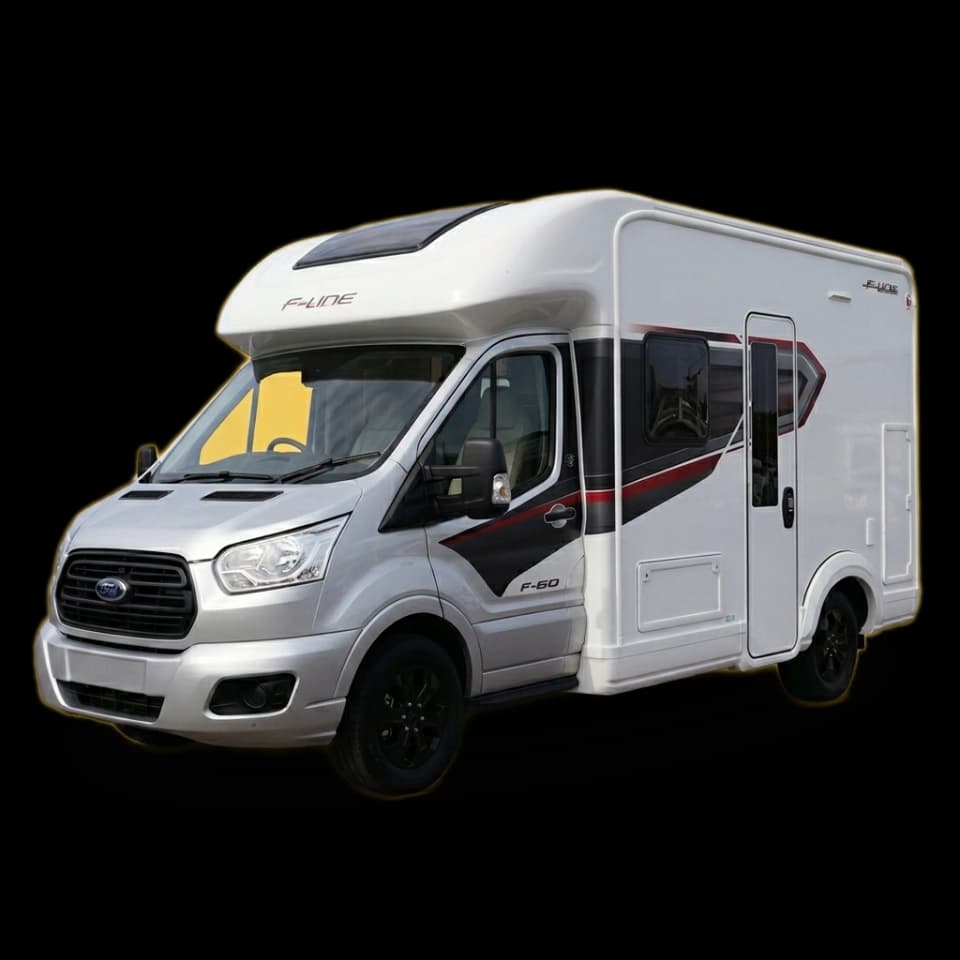
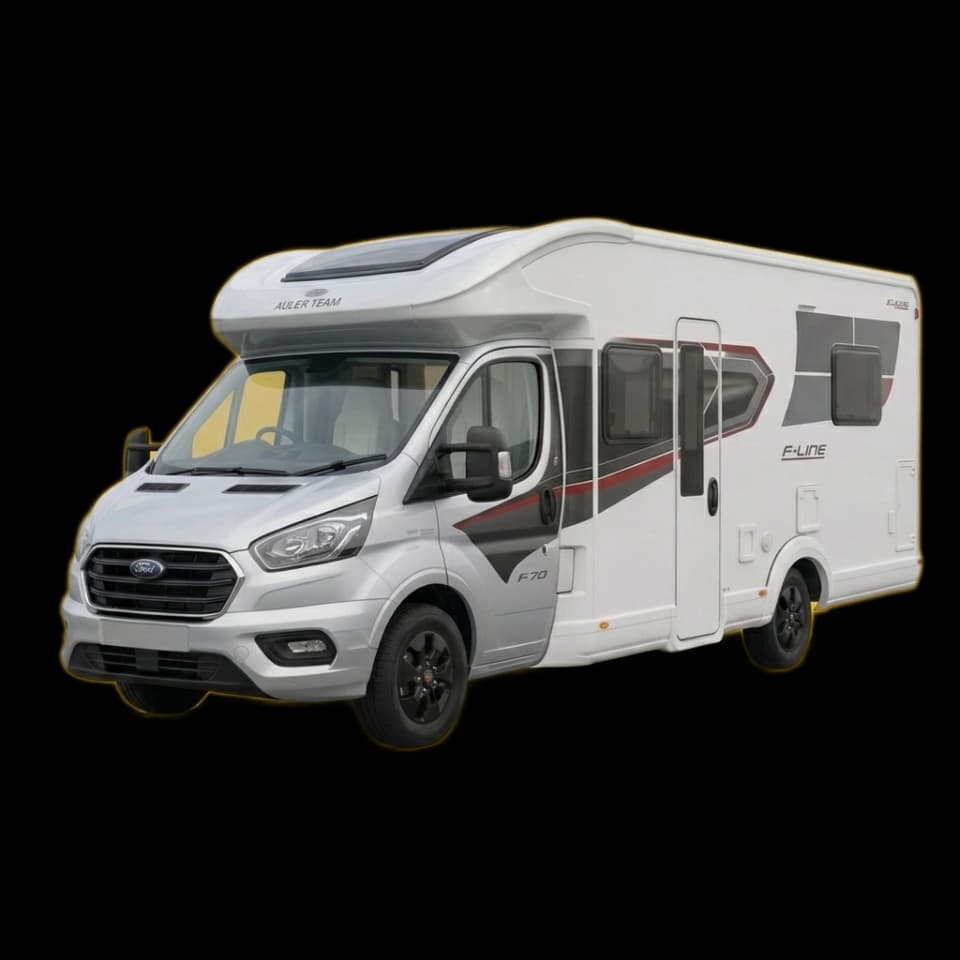
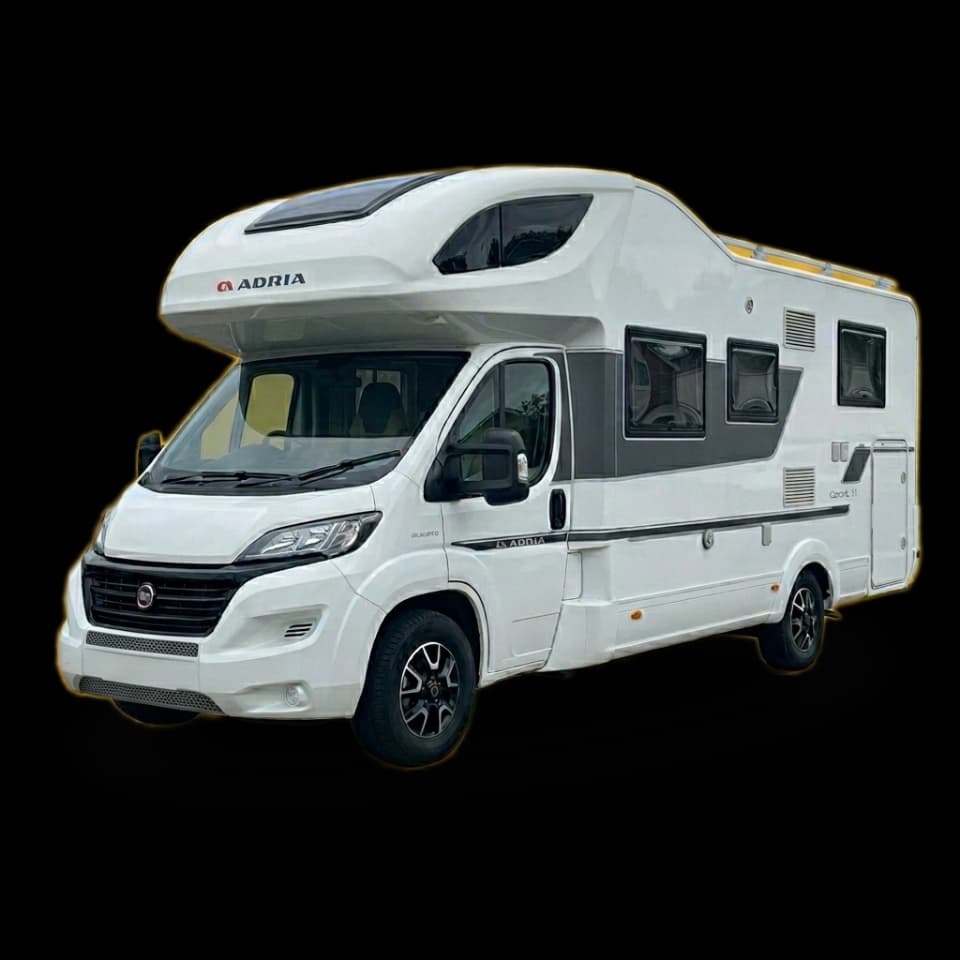
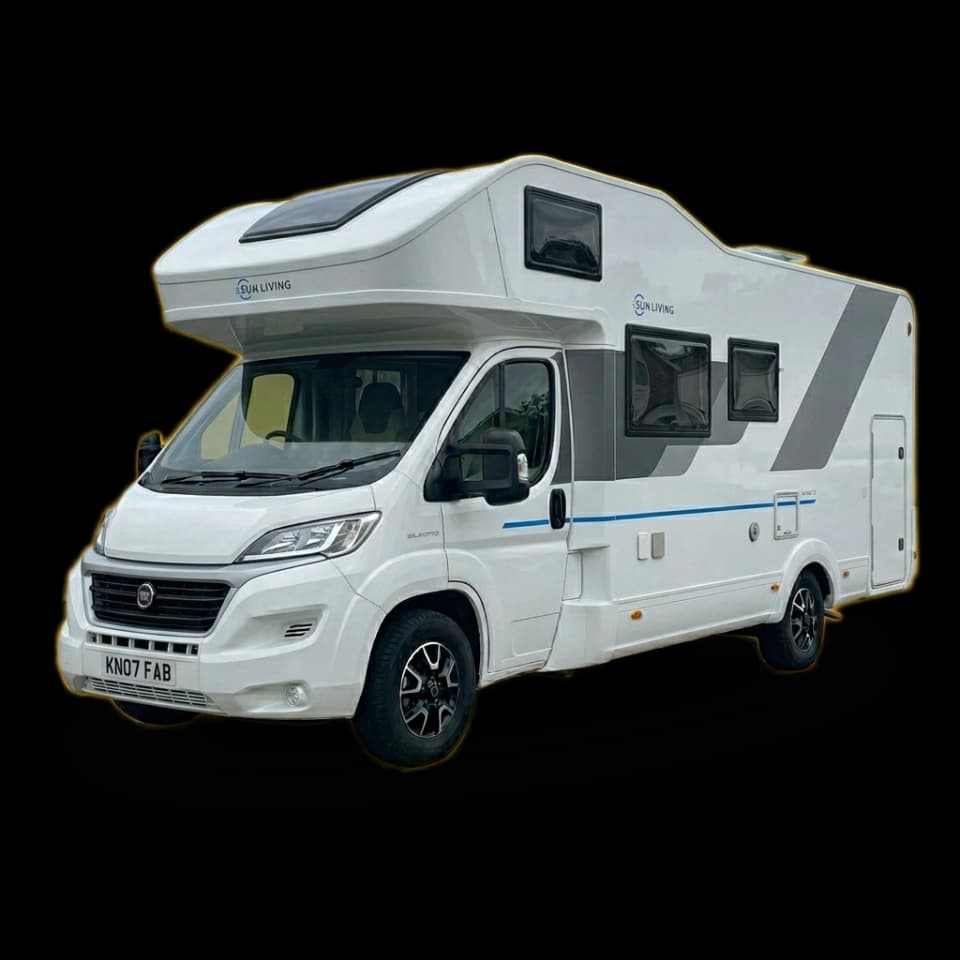
At Why Knott Hire, our motorhome hire charges are based purely on the vehicle rental, not the number of occupants. This gives you maximum flexibility! Whether you need a motorhome for a couple, a single traveller, or a large family group, we can accommodate your needs. Our cleverly designed motorhomes offer diverse sleeping and travelling capacity, ranging from a maximum of four to seven travellers (4, 6 and 7 berth motorhomes — one of our 4-berths seats 5 for travel).
You pay for the quality vehicle, not per person.
You can learn more about our availability see our motorhome availability
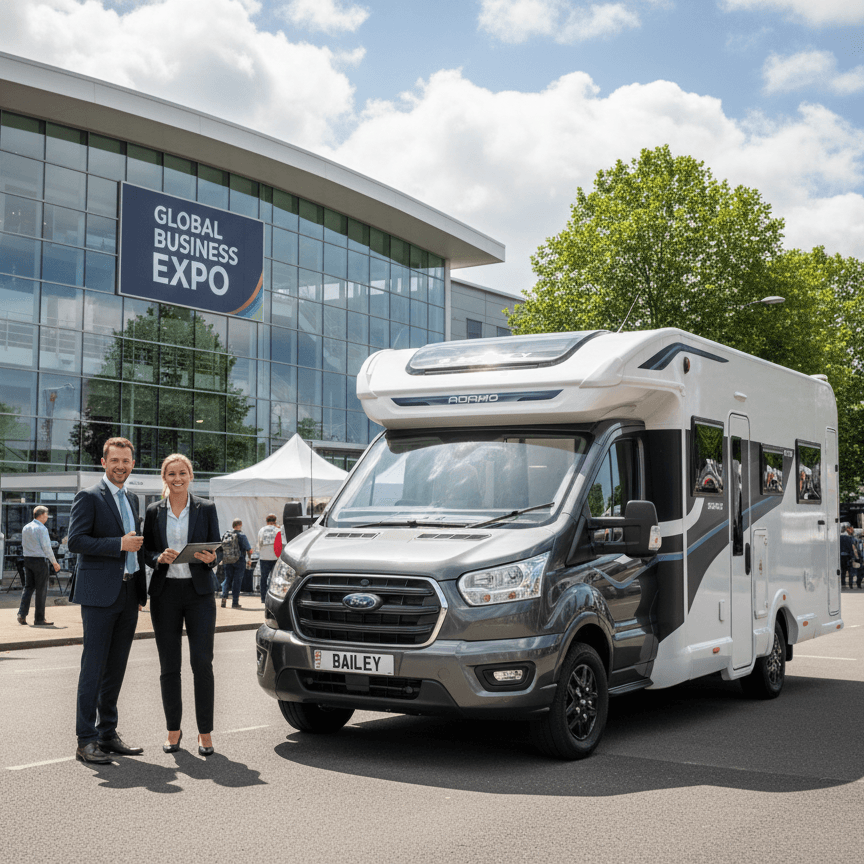
Business Motorhome Hire: The Smart Trade Fair Solution...
Looking for the perfect business solution for exhibitions, shows and trade fairs? Our luxurious motorhomes are the ideal corporate travel solution, helping you slash high costs associated with national and international exhibitions. By choosing our business motorhome hire, you instantly cut out expensive travel and inflated hotel costs in favor of convenience and practicality. Travel your entire team in pure comfort with ample luggage space. At the event, enjoy equally comfortable and luxurious on-site trade fair accommodation directly in your motorhome, maximizing efficiency and minimizing expense. Book a corporate motorhome rental today and transform your exhibition strategy.
You can learn more about our range corporate motorhome hire
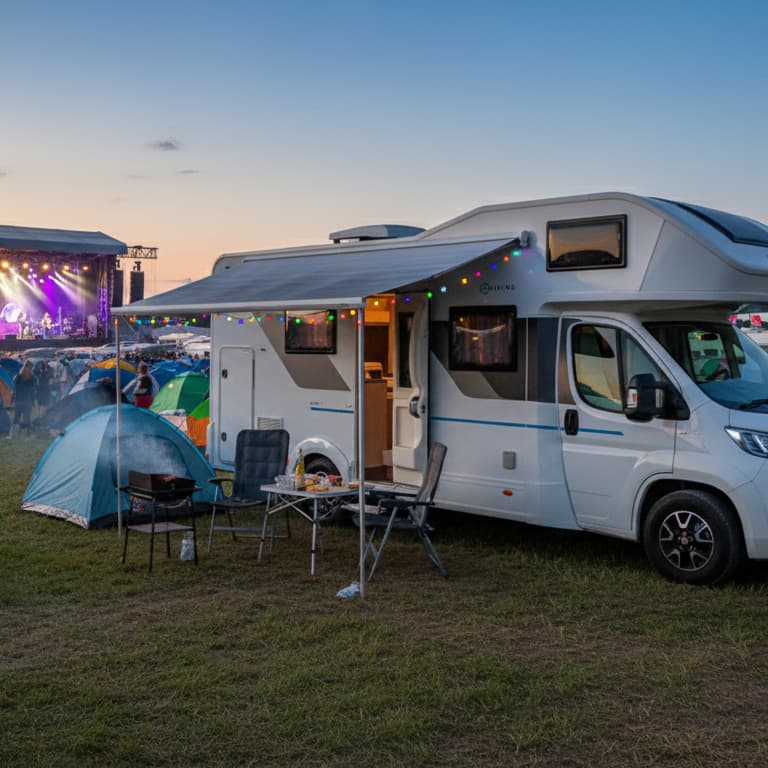
The Ultimate Festival and Event Accommodation Solution...
Don’t sacrifice comfort when attending your next outdoor event, music festival, or exhibition such as Glastonbury, Silverstone or Royal Welsh Show. Our motorhomes provide your essential little oasis of comfort and joy right at the venue. Say goodbye to queues and uncomfortable sleeping! Our reliable rentals offer a warm, dry, comfortable bed, private bathroom facilities, a hot shower, and a fully equipped kitchen. It’s the convenient and practical way to secure luxury temporary accommodation for any major sporting or cultural occasion. View our fleet to find the perfect motorhome for your next festival or exhibition.
You can learn more about our range our motorhome fleet
The perfect choice for luxury motorhome hire...
We have a great selection of luxury motorhomes for you to choose from. Check out our vehicles and their great family friendly features!