

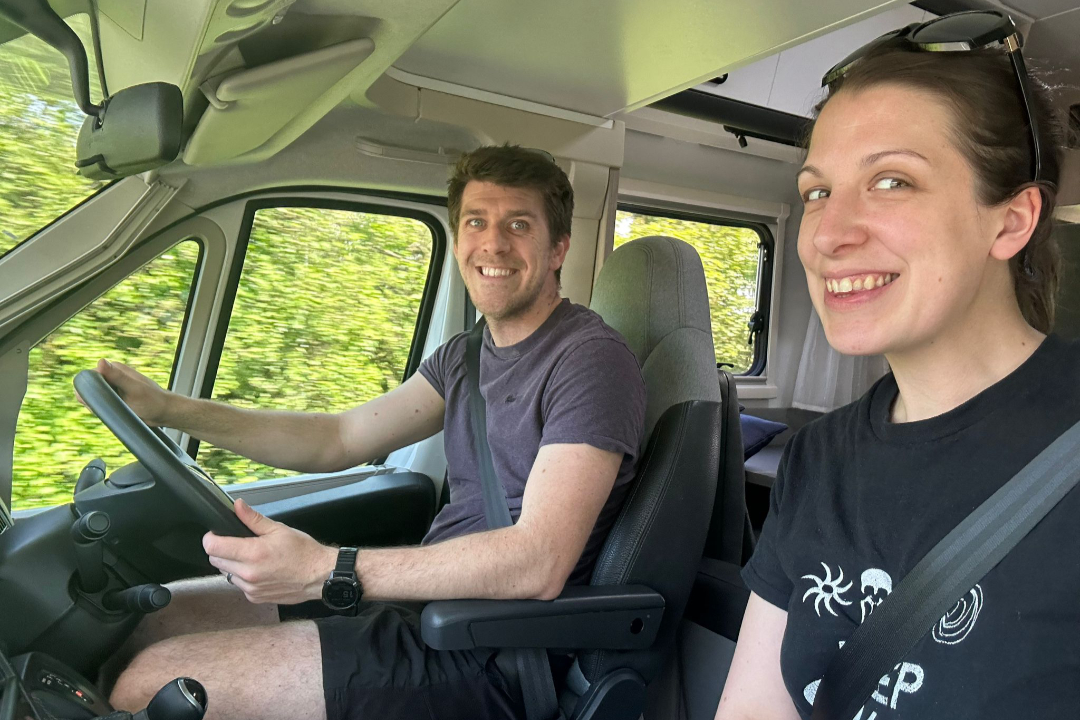
Taking the wheel of a motorhome for the first time can feel both exciting and daunting. These larger vehicles offer incredible freedom and adventure opportunities, but they also require different driving techniques and considerations compared to your everyday car. Whether you’re planning a weekend getaway or an extended touring holiday, mastering the basics of motorhome driving will ensure your trip is safe, enjoyable, and stress-free.
This comprehensive guide will walk you through everything you need to know about driving a motorhome for the first time, from pre-departure checks to navigating challenging road conditions. By following these essential tips and advice, you’ll build confidence behind the wheel and make the most of your motorhome adventure.
Understanding Your Motorhome
Size and Weight Considerations
The first and most important aspect of motorhome driving is understanding the significant differences in size and weight compared to a standard car. Most motorhomes are considerably longer, wider, and heavier than regular vehicles, which affects every aspect of driving from acceleration to braking distances.
A typical motorhome ranges from 6 to 9 metres in length and can weigh between 3,500kg to 7,500kg when fully loaded. This substantial increase in dimensions means you’ll need more space for manoeuvring, longer distances for overtaking, and increased stopping distances in all weather conditions.
Height Awareness
One of the most critical safety considerations for first-time motorhome drivers is height awareness. Most motorhomes stand between 2.8 and 3.4 metres tall, which means many low bridges, car park barriers, and drive-through facilities are off-limits. Always know your vehicle’s exact height and make this your primary consideration when route planning.
Weight Distribution and Loading
Proper weight distribution is crucial for safe motorhome handling. Ensure heavy items are stored low and towards the centre of the vehicle, and never exceed the maximum authorised mass (MAM) or individual axle weight limits. Uneven loading can cause dangerous handling characteristics, particularly in crosswinds or when cornering.
Pre-Departure Vehicle Familiarisation
Cockpit Setup and Controls
Before starting your engine, spend time familiarising yourself with the motorhome’s cockpit. Adjust your seat, mirrors, and steering wheel to ensure optimal visibility and comfort. Locate all essential controls including lights, indicators, windscreen wipers, handbrake, and heating/air conditioning systems.
Many motorhomes feature additional controls not found in cars, such as habitation area power systems, water level indicators, and waste tank monitors. Understanding these systems before departure will prevent confusion during your journey.
Mirror Adjustment and Blind Spot Awareness
Proper mirror adjustment is crucial for safe motorhome driving. Your standard rear-view mirror may have limited effectiveness due to the vehicle’s height and any equipment stored in the rear. Rely primarily on your wing mirrors, and consider the significantly larger blind spots created by the motorhome’s size.
Many modern motorhomes come equipped with additional mirrors or camera systems to improve visibility. Take time to understand how these systems work and practice using them in a safe environment before venturing onto busy roads.
Practice in a Safe Environment
Before hitting the road, practice basic manoeuvres in a large, empty car park or quiet industrial estate. Focus on forward and reverse parking, three-point turns, and getting a feel for the vehicle’s dimensions. This practice time is invaluable for building confidence and muscle memory.
Essential Driving Techniques
Starting and Stopping
Motorhomes require more gentle inputs than cars due to their weight and size. When starting from rest, apply throttle gradually to prevent wheel spin and maintain smooth acceleration. The increased weight means acceleration will be slower than you’re accustomed to, so allow extra time when joining traffic or overtaking.
Braking requires particular attention due to the extended stopping distances. Begin braking earlier and more gently than you would in a car. Harsh braking can cause instability, particularly if the vehicle isn’t properly loaded, and may cause items in the habitation area to shift dangerously.
Cornering and Turning
Take corners more slowly than you would in a car, as motorhomes have a higher centre of gravity and are more prone to body roll. The increased length also means you need to allow more space when turning, particularly when navigating roundabouts or making tight turns in urban areas.
Remember that the rear of your motorhome will cut the corner more than a car, so ensure you don’t begin turning too early. This is particularly important when emerging from junctions or navigating car parks.
Hill Driving
Driving on hills requires special consideration in a motorhome. When ascending steep inclines, the increased weight may require dropping to a lower gear earlier than expected. Don’t be afraid to use lower gears to maintain momentum and prevent the engine from labouring.
On descents, use engine braking by selecting a lower gear to prevent overheating your brakes. This technique is particularly important on long, steep descents where continuous use of foot brakes could lead to brake fade and potential danger.
Motorway and Dual Carriageway Driving
Motorhomes are subject to different speed limits than cars in many areas. In the UK, motorhomes over 3.5 tonnes are limited to 60mph on single carriageways and 70mph on dual carriageways and motorways. Always check and observe the applicable speed limits for your specific vehicle weight.
When joining motorways, remember that acceleration will be slower, so you’ll need longer slip roads and bigger gaps in traffic. Plan lane changes well in advance, using your indicators early to communicate your intentions to other road users.
Navigation and Route Planning
Height and Weight Restrictions
Effective route planning is crucial for motorhome travel. Always use a GPS system or app specifically designed for motorhomes, which will take into account your vehicle’s dimensions and weight restrictions. Standard car navigation systems may direct you onto unsuitable roads with low bridges, weight limits, or width restrictions.
Before departure, identify potential problem areas on your route and plan alternatives. Keep a physical map as backup, as GPS systems can occasionally fail or provide outdated information about road restrictions.
Parking Considerations
Finding suitable parking can be challenging for first-time motorhome drivers. Standard car parking spaces are too small, and many car parks have height barriers that prevent entry. Research motorhome-friendly parking options at your destinations in advance, including park-and-ride facilities, dedicated motorhome parking areas, and suitable on-street parking where permitted.
When parking, always consider the space needed for opening doors and accessing the habitation area. Allow extra room for manoeuvring when leaving, particularly if you need to reverse out of the space.
Fuel Planning
Motorhomes typically consume more fuel than cars, particularly when fully loaded or driving in hilly terrain. Plan fuel stops in advance, ensuring you can access petrol stations with sufficient overhead clearance and space for manoeuvring. Some motorhomes may require diesel fuel, which isn’t available at all filling stations.
Safety Considerations and Best Practices
Weather Conditions
Motorhomes are more affected by adverse weather conditions than cars due to their size and weight distribution. In strong crosswinds, maintain a firm grip on the steering wheel and be prepared for sudden gusts, particularly when passing large vehicles or emerging from sheltered areas.
According to the UK Government’s Highway Code, drivers should adjust their driving according to weather conditions, allowing extra stopping distance in wet conditions and considering whether travel is necessary in severe weather.
Loading and Weight Management
Proper loading is essential for safe motorhome handling. Distribute weight evenly and secure all loose items before travel. Heavy items should be stored low and towards the centre of the vehicle, while lighter items can be placed in overhead lockers. Always stay within the vehicle’s weight limits and check that doors and lockers are properly secured before departure.
Tyre Management
Motorhome tyres carry significantly more weight than car tyres and may require higher inflation pressures. Check tyre pressures regularly, including spare tyres, and inspect for signs of wear or damage. Under-inflated tyres can cause dangerous handling characteristics and increased fuel consumption.
Emergency Procedures
Familiarise yourself with emergency procedures specific to motorhomes. Know how to isolate gas supplies, electrical systems, and water systems if required. Carry appropriate emergency equipment including warning triangles, first aid kit, and emergency contact information for your hire company.
Building Confidence on the Road
Start with Short Journeys
For your first motorhome experience, plan shorter journeys to familiar destinations. This approach allows you to focus on developing driving skills without the additional stress of navigating unfamiliar areas. As your confidence grows, you can gradually extend your range and tackle more challenging routes.
Choose Appropriate Vehicles for Your Experience Level
When selecting your first motorhome, consider choosing a model that matches your experience level and comfort zone. Our Robyn motorhome offers an excellent balance of comfort and manoeuvrability, making it ideal for first-time drivers who want to experience motorhome travel without the challenges of operating a larger vehicle.
Allow Extra Time
Always allow more time than you think you’ll need for motorhome journeys. The combination of lower speeds, more frequent stops, and the need for careful navigation means journeys will take longer than in a car. This extra time reduces stress and allows you to enjoy the experience rather than rushing to reach your destination.
Practice Specific Manoeuvres
Dedicate time to practicing specific manoeuvres that motorhome drivers frequently encounter. These include reversing into camping pitches, navigating narrow roads, and parking in restricted spaces. The more you practice these skills in controlled environments, the more confident you’ll become in real-world situations.
Legal Requirements and Licensing
Driving Licence Requirements
In the UK, the driving licence required depends on the motorhome’s weight and when you passed your driving test. For motorhomes up to 3.5 tonnes, a standard car licence (Category B) is sufficient. For heavier vehicles, you may need Category C1 entitlement, which is automatically included if you passed your test before 1997 but requires a separate test for more recent licence holders.
Insurance and Documentation
Ensure you have appropriate insurance cover for motorhome driving, including comprehensive cover and European breakdown assistance if travelling abroad. Carry all necessary documentation including driving licence, insurance certificate, vehicle registration, and any relevant hire agreements.
Speed Limits and Traffic Regulations
Motorhomes are subject to different speed limits depending on their weight. Vehicles over 3.5 tonnes are limited to lower speeds on many road types. Familiarise yourself with these limits and observe them strictly, as penalties for speeding in commercial vehicles can be severe.
Making the Most of Your First Motorhome Experience
Choosing the Right Vehicle
Selecting an appropriate motorhome for your first experience is crucial for building confidence and enjoying your adventure. Consider factors such as group size, intended destinations, and your comfort level with driving larger vehicles. Our Robyn motorhome provides an excellent introduction to motorhome travel, offering modern amenities and user-friendly design that makes the transition from car driving as smooth as possible.
Planning Your Route
Successful motorhome travel requires more detailed planning than car journeys. Research your route for potential restrictions, identify suitable stopping points for breaks and fuel, and have backup plans for unexpected situations. Consider downloading offline maps to your phone or GPS device in case of signal problems in remote areas.
Embracing the Learning Experience
Remember that every experienced motorhome driver was once a beginner. Don’t be discouraged by initial challenges or minor mistakes – they’re part of the learning process. Focus on gradual improvement and celebrate small victories as you build confidence and skills.
Community and Support
The motorhome community is generally very welcoming and supportive of newcomers. Don’t hesitate to ask for advice from other motorhome users you meet, and consider joining online forums or local clubs where you can share experiences and learn from others.
Conclusion
Driving a motorhome for the first time represents the beginning of an exciting new adventure. While the learning curve may seem steep initially, following these essential tips and advice will help you develop the skills and confidence needed for safe, enjoyable motorhome travel.
Remember that competence comes with practice and experience. Start with shorter, less challenging journeys and gradually build up to longer adventures as your skills develop. Pay attention to the unique characteristics of motorhome driving, from the increased stopping distances to the need for careful route planning around height and weight restrictions.
Most importantly, embrace the freedom and flexibility that motorhome travel offers. The ability to change your plans spontaneously, wake up to new views each morning, and carry all your home comforts with you creates travel experiences that simply aren’t possible with other forms of transport.
With proper preparation, the right attitude, and adherence to these fundamental principles, your first motorhome driving experience will be the start of many memorable adventures on the road. Take your time, stay safe, and enjoy discovering the incredible freedom that motorhome travel provides.
